
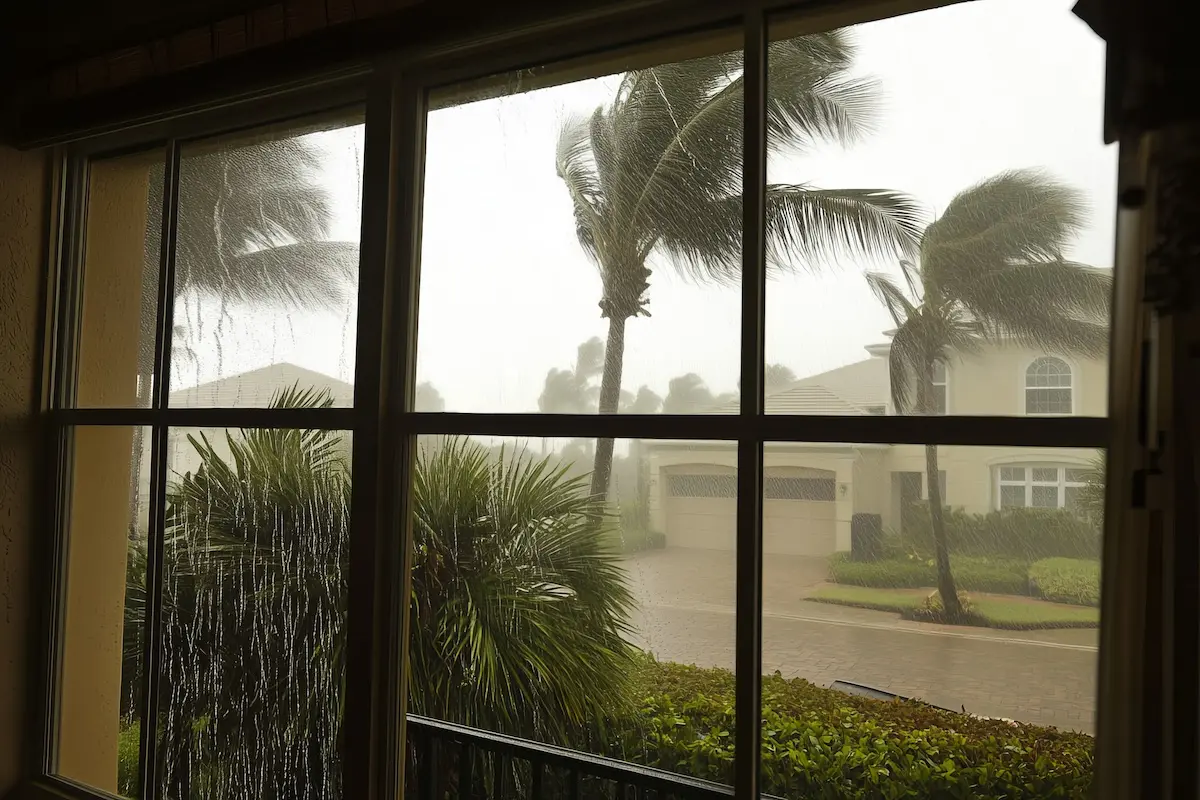
Hurricane season is a yearly reality in Palm Coast, FL, and across Flagler, Volusia, and St. Johns Counties. The good news is that a few simple steps before the first big storm can make a major difference in how your roof performs. This checklist walks you through what to look for, what you can safely do yourself, and when to call a licensed roofing contractor for help.
Start with a quick visual check from the ground
Stand back where you can see as much of the roof as possible. Look for shingles that are curling, lifted, torn, or missing. On metal roofs, check for panels that look loose at the edges, and on tile roofs, scan for cracked or slipped tiles. Use binoculars if you have them, never climb a ladder if you are not comfortable. If anything looks off, make a note and take a photo so you can track changes after a storm.
Clear gutters and downspouts
A surprising amount of roof damage starts with clogged gutters. When heavy rain hits, water can back up under the roof edge and into soffit areas. Clean out leaves and pine needles, flush the downspouts, and make sure water exits at least a few feet away from the foundation. If your home is under oaks or pines, consider gutter guards to reduce debris buildup during peak storm months.
Check around penetrations and wall transitions
The most common leak points are not the big open areas, they are the small details. Look at the areas where the roof meets walls, around chimneys, skylights, vent stacks, and satellite mounts. If you can see dried, cracked sealant or metal flashing that looks loose, note it. These spots take a beating in wind driven rain and are worth professional attention before a storm.
Trim trees and remove potential wind projectiles
Overhanging limbs can scrape shingles, drop branches, and block gutters in a single afternoon squall. Trim back any limbs that touch or hang over the roof. Walk the yard and remove loose items that can become wind projectiles. Patio furniture, small decorations, and kids’ toys are common culprits.
Inspect your attic for early warning signs
An attic check can reveal issues you will not see from the outside. In daylight, look for pinholes of light at the roof deck, stains on the underside of the sheathing, damp insulation, or musty smells. Feel near penetrations for moisture. If you find anything damp, take photos and call a pro. Catching a small leak now is far easier than repairing soaked drywall later.
Understand your roof’s age and material limits
Architectural shingles in Florida can last 20 to 30 years with proper ventilation and maintenance, but wind and UV exposure shorten that window near the coast. Metal and tile systems can last longer, but they still rely on underlayments and flashings that age. If your roof is nearing the end of its expected life, consider planning a replacement outside of peak storm season. A proactive approach is usually less stressful and more cost effective than an emergency swap.
Create a simple pre storm and post storm routine
Before a named storm, photograph your roof, gutters, soffit, and interior ceilings. After the storm passes and it is safe, repeat the same photos. This gives you a timestamped record that can help with insurance if damage occurs. If you have a drone, use it carefully and legally, otherwise ground level photos are fine. Keep a small kit ready, flashlight, gloves, contractor bags, and buckets, just in case you need to protect interior spaces from a sudden drip.
Know when to call a professional
Certain tasks are safe for homeowners, clearing gutters, trimming small branches, walking the yard. Others are best left to a licensed contractor, replacing shingles, resealing flashing, repairing tile underlayment, or diagnosing attic moisture paths. If your home is in Palm Coast, Flagler Beach, Bunnell, Ormond Beach, Daytona Beach, or St. Augustine, a quick inspection can prevent small problems from turning into big repairs during hurricane season.
What to do if you spot damage
If you notice missing shingles, active dripping, or ceiling stains after a storm, act quickly. Temporary tarping can prevent additional interior damage until permanent repairs are made. Document everything with photos and keep receipts for any emergency work. If you plan to file a claim, a professional inspection report with photos and a clear scope will make the conversation with your adjuster much smoother.
Schedule a preventative roof inspection
The simplest way to prepare is to schedule a pre season roof inspection. We check shingles or tiles, flashings, penetrations, gutters, and attic ventilation, then provide photos and prioritized recommendations. If repairs are needed, getting them done before the next storm line arrives can save time, money, and stress.
Final thoughts
Hurricane season brings wind, rain, and uncertainty, but preparation puts you back in control. A clean gutter line, tight flashings, and a quick attic check go a long way toward keeping your home dry. If you want a professional set of eyes on the details, we are here to help.
Need a pre season check or fast help after a storm. Call Atlantic Surf Roofing at (386) 266 9879 or request a free roof inspection today.